
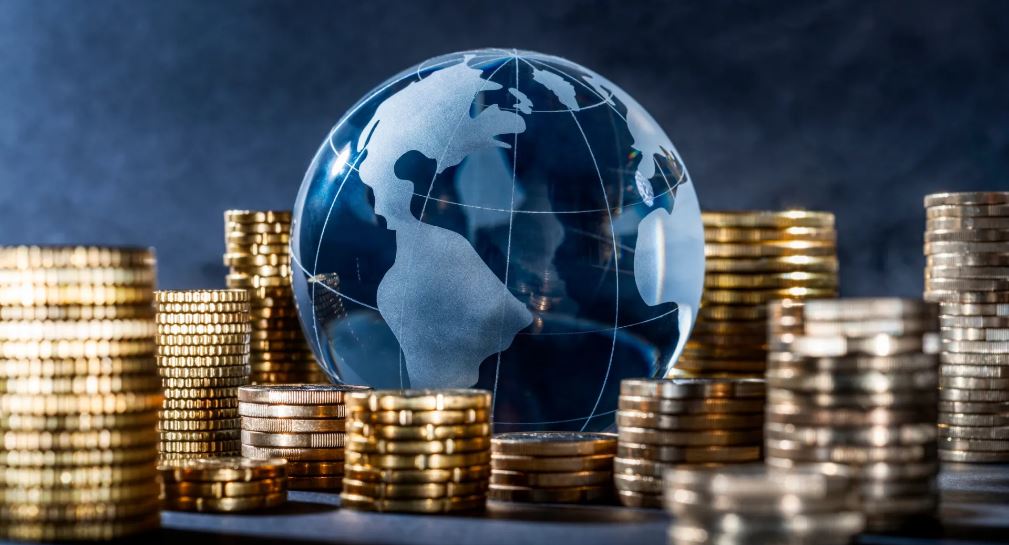
The global economy has a direct influence on investment performance, market trends, interest rates, and investor confidence. Economic factors such as inflation, central bank policies, geopolitical events, and international trade can affect portfolio returns by creating opportunities and risks across different asset classes. That’s why many investors work with a financial advisor to better understand changing market conditions and make informed decisions.
Looking to build a resilient investment strategy? Connect with Decentralized Financial Group to explore personalized financial planning solutions.
At a Glance
| Topic | Key Takeaway |
| What affects investments globally? | Inflation, interest rates, trade, and geopolitical events |
| Why does it matter? | Global events can impact portfolio performance and risk levels |
| Which assets are affected? | Stocks, bonds, real estate, commodities, and alternative investments |
| How can investors prepare? | Diversification and professional guidance |
| Who can help? | An experienced financial advisor |
Quick Takeaways
- The global economy affects nearly every investment market.
- Inflation and interest rates often influence asset prices.
- Diversification can help manage risk.
- Economic cycles create both opportunities and challenges.
- Long-term planning is usually more effective than reacting to headlines.
Why Does the Global Economy Affect Investments?
Today’s financial world is more connected than ever.
A major economic event in one country can influence stock prices, interest rates, supply chains, and investor sentiment around the world.
For example:
- Rising oil prices can affect transportation and manufacturing costs.
- Changes in interest rates may impact borrowing and spending.
- Trade disruptions can affect company earnings.
Because markets are interconnected, investors often feel the impact of global economic changes even when those events occur thousands of miles away.
What Economic Factors Have the Biggest Impact on Investments?
Several key drivers shape investment performance.
Inflation
Inflation measures how quickly prices rise over time.
When inflation increases:
- Consumer spending may slow
- Business costs can rise
- Central banks may raise interest rates
These factors can affect both stock and bond performance.
Interest Rates
Interest rates are one of the most important influences on any market.
When rates rise:
- Borrowing becomes more expensive
- Corporate profits may face pressure
- Some growth stocks may experience volatility
When rates fall:
- Businesses often have easier access to capital
- Consumer spending may increase
- Certain investments may become more attractive
Economic Growth
Gross Domestic Product (GDP) growth is often used as a measure of economic health.
Strong economic growth typically supports:
- Corporate earnings
- Employment levels
- Consumer confidence
These factors often contribute to stronger investment environments.
Geopolitical Events
Political instability, conflicts, elections, and policy changes can create uncertainty.
Markets generally dislike uncertainty because it makes forecasting future outcomes more difficult.
Investors often react quickly to major geopolitical developments.
How Do Global Markets Influence Local Investments?
Many investors assume local investments are insulated from international events.
In reality, global and domestic markets are closely linked.
For example:
- International trade affects company revenues.
- Global supply chains influence production costs.
- Foreign investment can impact domestic markets.
- Currency fluctuations affect multinational businesses.
Even portfolios focused primarily on domestic assets can feel the effects of global economic changes.
Which Investments Are Most Sensitive to Global Economic Changes?
Different asset classes respond differently to economic conditions.
| Asset Class | Sensitivity to Global Events |
| Stocks | High |
| Bonds | Moderate to High |
| Real Estate | Moderate |
| Commodities | High |
| Cash Equivalents | Low |
| Alternative Investments | Varies |
Understanding these relationships helps investors build more balanced portfolios.
Why Is Diversification Important During Economic Uncertainty?
One of the most common recommendations from a financial advisor is diversification.
Diversification means spreading investments across multiple asset classes, industries, and regions.
The goal is simple:
Avoid having all your money tied to one outcome.
Benefits of diversification include:
- Reduced portfolio risk
- Better long-term stability
- Greater flexibility during market shifts
- Exposure to different growth opportunities
While diversification doesn’t eliminate risk, it can help manage it more effectively.
How Can Investors Respond to Changing Economic Conditions?
Market headlines can make investing feel overwhelming.
Instead of reacting emotionally, many successful investors follow a structured process.
1. Review Financial Goals
Your investment strategy should align with your long-term objectives.
2. Assess Risk Tolerance
Different investors have different comfort levels with volatility.
3. Rebalance Your Portfolio
Periodic adjustments help maintain your desired asset allocation.
4. Stay Diversified
Avoid concentrating investments in one sector or region.
5. Consult a Financial Advisor
Professional guidance can provide valuable perspective during uncertain times.
What Role Does a Financial Advisor Play?
A qualified financial advisor does more than recommend investments.
They help investors:
- Build personalized strategies
- Manage risk
- Navigate market volatility
- Plan for retirement
- Adapt to changing economic conditions
Rather than making decisions based on short-term news cycles, advisors help clients stay focused on long-term financial goals.
This guidance can be particularly valuable during periods of economic uncertainty.
How Does Investor Psychology Affect Market Performance?
Markets aren’t driven by numbers alone.
Human behavior plays a major role.
Fear and greed often influence investment decisions.
Common emotional reactions include:
- Panic selling during downturns
- Chasing trends during rallies
- Overreacting to headlines
- Ignoring long-term plans
A disciplined investment strategy helps reduce emotionally driven decisions.
Buying Checklist: Is Your Investment Strategy Ready for Global Changes?
Use this checklist to evaluate your current approach.
Investment Readiness Checklist
- Clearly defined financial goals
- Diversified portfolio
- Emergency savings fund
- Regular portfolio reviews
- Risk tolerance assessment
- Long-term investment plan
- Access to a trusted financial advisor
These fundamentals often matter more than trying to predict the next market movement.
What Do Financial Experts Say?
According to the International Monetary Fund (IMF), global economic conditions, inflation trends, and monetary policy decisions play a significant role in financial market performance.
The World Bank regularly highlights the impact of economic growth, trade conditions, and geopolitical developments on investment environments worldwide.
Research from the Federal Reserve also emphasizes the influence of interest rates and monetary policy on asset prices and investor behavior.
These institutions consistently reinforce the importance of understanding broader economic trends when making investment decisions.
Frequently Asked Questions
How does the global economy affect investments?
The global economy influences interest rates, inflation, business performance, and investor sentiment, all of which can impact investment returns.
Why do markets react to economic news?
Economic news often changes expectations about growth, inflation, and future corporate earnings.
Should I change my investments during economic uncertainty?
Major investment decisions should be based on long-term goals rather than short-term market fluctuations.
Is diversification still important?
Yes. Diversification remains one of the most widely recommended risk-management strategies.
When should I speak with a financial advisor?
Any time you’re developing a financial plan, approaching retirement, experiencing significant life changes, or reviewing your investment strategy.
Final Thoughts
The relationship between the global economy and the investment world is impossible to ignore. Inflation, interest rates, economic growth, trade activity, and geopolitical events all influence how markets behave and how portfolios perform.
While investors can’t control economic cycles, they can control how they prepare for them. A diversified investment strategy, clear financial goals, and guidance from a trusted financial advisor can help create a more confident approach to long-term wealth building.
At Decentralized Financial Group, we believe successful investing starts with education, planning, and staying focused on what matters most: achieving your financial goals while navigating an ever-changing market landscape.