
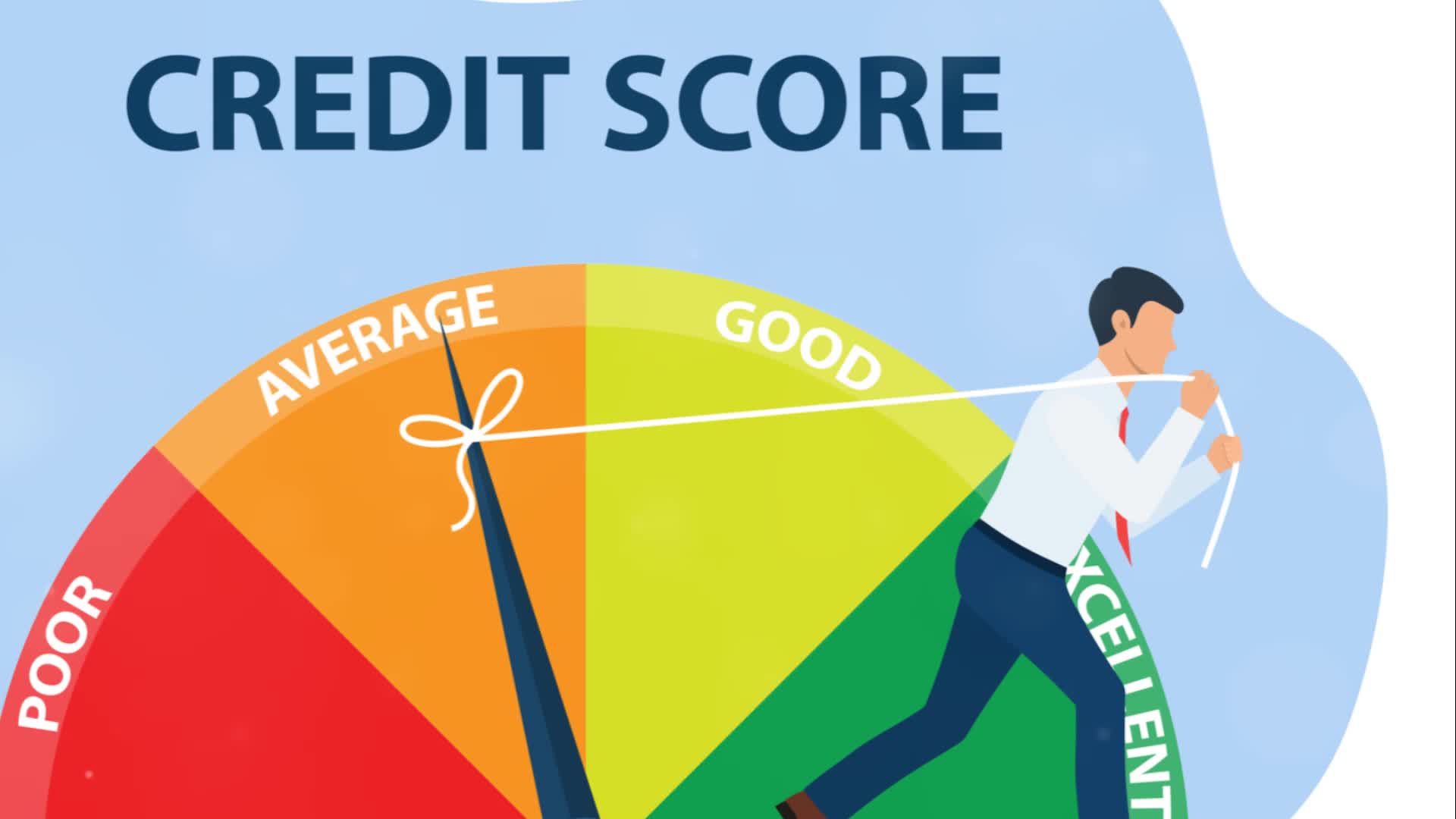
Your Credit Score can drop after a Loan Payment is completed because closing a loan account changes your credit mix, average account age, and credit utilization. According to the Consumer Financial Protection Bureau, these factors make up a large portion of your credit score calculation.
At a Glance: Why Scores Sometimes Drop
| Reason | What Happens |
| Loan account closes | Reduces active credit accounts |
| Credit mix changes | Fewer types of credit |
| Average credit age drops | Shortens credit history |
| Credit utilization shifts | Balance ratios change |
Why Paying Off a Loan Payment Can Lower Your Credit Score
Paying off a loan should feel like a win. You’ve cleared a debt and improved your finances.
Then you check your Credit Score and notice it dropped. That feels frustrating, but it’s actually common.
Credit scoring models look at multiple factors, not just whether you completed your Loan Payment. When a loan closes, your credit profile changes slightly. That temporary change can cause a small drop before your score stabilizes.
Financial specialists at Decentralized Financial Group often explain that this shift is part of normal credit behavior, especially when someone has a limited credit history.
Learn more about our services here: https://decentralizedfg.com/
What Factors Affect Your Credit Score After a Loan Is Paid Off?
Credit scoring systems consider several elements when calculating your score.
According to Experian, the main factors include:
- Payment history
- Credit utilization
- Length of credit history
- Credit mix
- New credit inquiries
When a Loan Payment closes the account, some of these factors change slightly.
1. Your Credit Mix Changes
Credit mix refers to the types of accounts on your report.
These may include:
- Credit cards
- Installment loans
- Auto loans
- Student loans
- Mortgages
If your paid-off loan was your only installment account, removing it can reduce credit diversity. That can cause a temporary drop in your Credit Score.
2. Your Average Credit Age May Decrease
Credit history length plays a role in scoring.
When a loan closes, it stops contributing to your active credit history. If the account was older than your other accounts, your average account age may shrink.
This is one reason your Credit Score may dip slightly after completing a Loan Payment.
3. Your Credit Utilization May Shift
Credit utilization measures how much credit you use compared to your available limit.
While loans are not calculated the same way as credit cards, closing accounts can indirectly affect utilization ratios.
Changes in these ratios sometimes trigger a temporary score adjustment.
4. Credit Activity May Slow Down
Credit scoring systems reward active credit management.
When you finish a Loan Payment, one of your active accounts disappears. If you don’t have other active credit lines, your credit profile may appear less active.
This doesn’t mean your financial health is worse. It simply means the scoring formula needs time to rebalance.
Is This Drop Permanent?
In most cases, no.
According to Equifax, credit scores often recover within a few months after a loan account closes, especially if the borrower continues managing other accounts responsibly.
Maintaining good habits is key to strong Credit Recovery.
Step-by-Step: How to Fix Your Score After a Loan Payoff
If your score dropped after a Loan Payment, here’s how to strengthen it again.
1. Keep Credit Card Balances Low
Try to keep credit utilization under 30% of your limit. Lower utilization usually improves your Credit Score.
2. Maintain On-Time Payments
Payment history is the largest scoring factor.
Even one missed payment can hurt your Credit Recovery progress.
Set automatic payments or reminders to stay consistent.
3. Keep Old Accounts Open
Older accounts help increase your credit age.
Avoid closing long-standing accounts unless absolutely necessary.
4. Diversify Your Credit Mix
Adding a new type of credit, such as a small installment loan or secured card, can improve your credit mix over time.
This supports long-term Credit Recovery.
5. Monitor Your Credit Report
Review your credit report regularly for errors.
Incorrect reporting after a Loan Payment can sometimes cause score changes.
Monitoring tools help catch these issues early.
Credit Score Before vs After Loan Payoff
| Scenario | Credit Impact |
| Loan still active | Strong credit mix |
| Loan paid off | Account closes |
| Short-term effect | Small score dip |
| Long-term effect | Score stabilizes |
This table highlights that a temporary drop does not mean long-term damage.
Checklist: Smart Moves for Strong Credit Recovery
If your Credit Score dropped, review this quick checklist:
- Keep credit card balances below 30%
- Pay every bill on time
- Maintain older credit accounts
- Avoid applying for too many new accounts
- Monitor credit reports regularly
These simple habits support steady Credit Recovery and stronger financial health.
Frequently Asked Questions
Why did my credit score drop after paying off a loan?
Your Credit Score may drop because closing a Loan Payment account changes your credit mix and average account age.
How long does it take for credit scores to recover?
Most people see improvement within three to six months when they maintain good credit habits.
Does paying off a loan hurt credit permanently?
No. In most cases, the drop is temporary and your score improves with consistent payments.
What helps with credit recovery after paying off a loan?
Keeping balances low, paying bills on time, and maintaining active accounts all support Credit Recovery.
Final Thoughts
Seeing your Credit Score drop after finishing a Loan Payment can feel confusing. You did the right thing, yet the numbers don’t reflect it immediately.
The good news is that this drop is usually temporary.
Credit scoring models adjust as your credit profile changes. With consistent payments, balanced credit usage, and smart financial habits, your score often rebounds.
For people looking to rebuild or optimize their credit profile, expert guidance can make the process smoother.
Want Help Improving Your Credit?
Speak with the credit experts at Decentralized Financial Group and start your Credit Recovery strategy today.